
Volvo has built its reputation around safety, comfort and thoughtful engineering. But if you own an XC40, XC60, XC90 or an older Volvo, you might be wondering: how much does Volvo servicing really cost in Australia, and what repairs should you budget for as your car gets older?
The good news is that Volvo maintenance doesn’t have to be excessively expensive. Routine servicing is generally more costly than for a basic small car, but keeping up with scheduled maintenance and addressing developing faults early can make a significant difference to long-term ownership costs.
In this guide, we’ll break down Volvo servicing costs, common long-term repair issues, differences between popular models and practical ways to keep your Volvo reliable for years to come.
Quick Answer: Is Volvo Maintenance Expensive?
- Routine servicing: Volvo servicing is generally more expensive than servicing a mainstream small car, although costs depend heavily on the model, age and engine.
- Long-term repairs: Cooling systems, suspension components, electronics and transmission-related issues can increase ownership costs as vehicles age.
- Model differences: An XC40 may have different maintenance requirements from an XC90, particularly when comparing petrol, diesel, hybrid and electric versions.
- Best approach: Follow the correct maintenance schedule, investigate warning signs promptly and use a workshop familiar with European vehicle systems.
What’s Covered in This Volvo Maintenance Guide?
- Volvo servicing costs in Australia
- How often a Volvo needs servicing
- Common Volvo problems and long-term repairs
- Maintenance considerations by Volvo model
- How to reduce Volvo ownership costs
- Frequently asked questions
How Much Does Volvo Servicing Cost in Australia?

Volvo servicing costs depend on the specific vehicle, its service history and what work is due. A routine oil and filter service is quite different from a major scheduled service involving additional fluids, filters, inspections and replacement components.
For an Australian cost reference, Volvo currently advertises a five-year genuine service plan for eligible mild-hybrid and plug-in hybrid vehicles at $2,995 including GST. Spread evenly across five years, that works out to approximately $599 per year for the included scheduled servicing.
That’s a manufacturer service-plan benchmark rather than a universal Volvo servicing price. Eligibility conditions apply, and repairs or wear-and-tear items may be excluded.
What Affects the Price of a Volvo Service?
| Service or Maintenance Item | What Affects the Cost? |
|---|---|
| Minor or routine service | Engine oil specification, filters, inspection requirements and labour |
| Major logbook service | Additional filters, fluids, scheduled replacement items and inspection work |
| Brake servicing | Brake pad and rotor condition, vehicle weight and replacement part selection |
| Transmission maintenance | Gearbox type, manufacturer procedure, fluid specification and service history |
| Cooling system repairs | Location of the leak, affected components and any overheating damage |
| Diagnostic testing | Fault complexity, testing time and whether specialist equipment is required |
For an accurate Volvo service quote, it’s best to provide your vehicle’s model, year, engine type, kilometres travelled and recent service history. This helps a workshop identify the maintenance actually due rather than relying on a generic advertised price.
What About Volvo Service Plans?
Volvo Australia also offers service plans that include certain wear-and-tear items, with different pricing and inclusions. Before comparing a dealership service plan with independent Volvo servicing, check exactly what’s covered, how long the plan lasts and whether your vehicle qualifies.
Manufacturer reference: Volvo Australia Service Plans.
How Often Should a Volvo Be Serviced?
Volvo service intervals vary by model, engine, model year and market. The correct schedule is the one specified for your particular vehicle, rather than a single interval applied to every Volvo.
Scheduled maintenance may include engine oil and filter changes, brake inspections, fluid checks, cabin filters, diagnostic checks and additional work at particular age or kilometre milestones.
Volvo advises that scheduled maintenance should be completed at the specified time or distance interval, whichever comes first. This matters for Brisbane drivers who travel relatively short distances but spend plenty of time in traffic.
Does a Low-Kilometre Volvo Still Need Regular Servicing?
Yes. Even if you only drive a few thousand kilometres a year, some fluids and components deteriorate with age. Batteries, tyres, seals and brake components can also develop problems while a car is used infrequently.
Regular inspections are particularly worthwhile for older Volvos that are no longer driven every day.
Common Volvo Problems and Long-Term Repair Costs
Volvos are designed for long-term use, but no vehicle is immune to wear, ageing components or unexpected mechanical faults. The issues below are worth understanding, particularly if you’re buying a used Volvo or planning to keep your current car well beyond its original warranty.
These are potential maintenance and repair areas, not faults that affect every Volvo. Their relevance depends on the particular engine, transmission, model and year.
1. Cooling System Leaks and Overheating
A healthy cooling system is essential to engine reliability. As vehicles age, components such as hoses, seals, thermostats and water pumps may require attention.
Warning signs include:
- Coolant levels dropping between services
- Visible coolant leaks or a sweet smell after driving
- Unusual engine temperature readings
- Cooling system or engine warning messages
Why it matters: A relatively small coolant leak can become a much more expensive repair if the engine overheats. If an overheating warning appears, stop safely and follow the vehicle’s instructions rather than continuing to drive.
2. Suspension and Steering Wear

Volvo SUVs such as the XC60 and XC90 are substantial vehicles, and suspension components work hard over time. Bushes, control arms, shock absorbers and other steering or suspension components can wear as kilometres accumulate.
Look out for knocking noises over bumps, uneven tyre wear, vague steering or a ride that feels less controlled than it used to.
Some Volvo models also have more sophisticated suspension configurations, making accurate diagnosis important before replacing parts.
3. Electronic Faults and Warning Messages
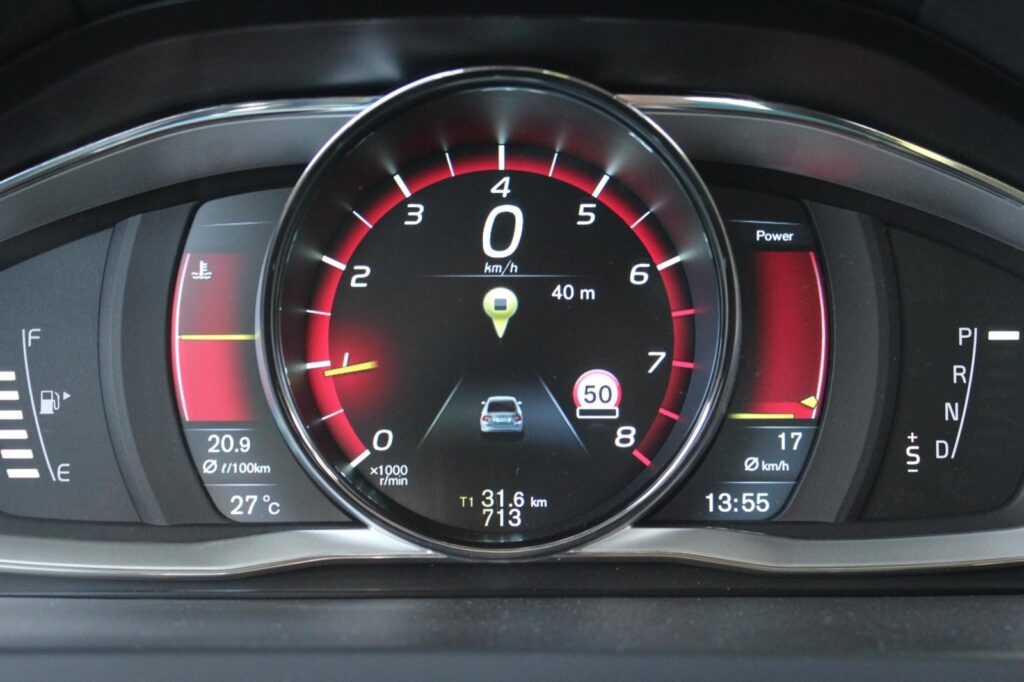
Modern Volvos incorporate advanced safety technology, driver assistance features and numerous electronic control systems. While these features are a major part of the ownership experience, diagnosing an electrical fault can require more than a basic fault-code reader.
Common reasons for investigating an electrical warning include battery or charging problems, sensor faults, wiring issues and communication errors between vehicle systems.
A proper diagnostic process helps identify the cause instead of replacing components based on guesswork.
4. Automatic Transmission and Drivetrain Issues
Volvo vehicles use different transmissions and driveline arrangements depending on the model and generation. Some older, higher-kilometre vehicles may develop harsh shifting, delayed engagement or other drivability concerns.
Symptoms worth investigating include:
- Jerky or unusually harsh gear changes
- Delayed engagement when selecting drive or reverse
- Unusual vibrations under acceleration
- Transmission or drivetrain warning messages
These symptoms don’t automatically mean the transmission needs replacing. Accurate diagnostics can help distinguish a major mechanical issue from a sensor, software, fluid or related driveline problem.
5. Diesel Emissions and Intake System Problems
Owners of certain diesel-powered Volvo models should also be aware of maintenance associated with emissions equipment, including exhaust gas recirculation and diesel particulate filter systems.
Repeated short trips, interrupted regeneration cycles and existing engine faults can contribute to emissions-system problems on some diesel vehicles.
If your diesel Volvo develops reduced power, persistent warning messages or unusual fuel consumption, have the cause diagnosed rather than assuming the particulate filter is the only problem.
6. Hybrid and Electric System Maintenance
Volvo’s newer mild-hybrid, plug-in hybrid and fully electric vehicles introduce different maintenance requirements. They may have fewer conventional engine-related service items, but still require attention to brakes, tyres, suspension, cooling systems, electrical components and vehicle software.
High-voltage components require appropriately qualified technicians and specialised safety procedures. Owners should never attempt to inspect or repair high-voltage systems themselves.
Which Volvo Repairs Tend to Cost the Most?
Not every repair is expensive, but certain systems can become costly because of parts prices, diagnostic complexity or labour involved.
| Repair Area | Potential Cost Impact | What Helps Reduce the Risk? |
|---|---|---|
| Major engine or overheating damage | High | Promptly investigating coolant loss and temperature warnings |
| Transmission or drivetrain repairs | High | Early diagnosis of shifting or vibration problems |
| Complex electronic faults | Variable to high | Systematic testing before replacing components |
| Suspension replacement | Moderate to high | Regular inspections and timely replacement of worn parts |
| Cooling system component replacement | Variable | Checking leaks before overheating occurs |
| Routine brakes and consumables | Usually more predictable | Scheduled inspections and preventative maintenance |
Repair prices vary too widely across Volvo models to give one reliable figure for every fault. A proper quote should identify the cause, the parts required and the work involved.
Volvo Maintenance Costs by Model: XC40, XC60, XC90 and More
Volvo XC40: Compact SUV Servicing
The Volvo XC40 is a popular compact luxury SUV. Its maintenance requirements depend on whether you’re driving a petrol, mild-hybrid, plug-in hybrid or fully electric variant.
For combustion-engine versions, regular engine servicing, brake inspections and attention to cooling and suspension systems remain important. Electric versions have a different service schedule, but tyres, brakes, suspension and electrical systems still need inspection.
Volvo XC60: Mid-Size SUV Maintenance
The XC60 offers a balance of family practicality, comfort and technology. As these vehicles age, owners should pay attention to suspension condition, fluid leaks, braking components and any developing electronic faults.
Older diesel XC60 models may have additional emissions-related maintenance considerations, while newer hybrid versions have their own servicing requirements.
Volvo XC90: Large SUV Ownership Costs
The XC90 is Volvo’s larger luxury SUV, and its size, equipment and drivetrain complexity can influence servicing and repair costs.
Owners should budget for quality tyres, brake maintenance and ongoing suspension inspections, alongside the manufacturer’s scheduled servicing. On older vehicles, keeping on top of cooling system and electrical issues can also help prevent unexpected expenses.
Volvo S60, S90, V60 and Older Volvo Models
Volvo sedans, wagons and older models can remain practical and comfortable vehicles well into higher kilometre ranges. However, age-related maintenance becomes increasingly important.
When assessing an older Volvo, look beyond the odometer. A vehicle with comprehensive servicing records and timely repairs may be a better ownership prospect than a lower-kilometre example with an incomplete maintenance history.
How to Reduce Long-Term Volvo Maintenance Costs
The most effective way to manage Volvo ownership costs isn’t to avoid maintenance. It’s to make sure the right work is carried out at the right time.
1. Keep Up With Logbook Servicing
Following your Volvo’s recommended maintenance schedule helps keep essential fluids, filters and safety-related components in good condition. It also provides a documented service history that may be valuable when selling the vehicle.
2. Don’t Ignore Small Changes in Performance
A new vibration, small fluid leak, unusual noise or intermittent warning message may be the first indication that something needs attention. Investigating it early can sometimes prevent more extensive damage.
3. Use the Correct Parts and Fluids
Volvo engines, transmissions and other vehicle systems can have specific requirements. Using the correct manufacturer-approved fluids and suitable replacement parts is important for reliability and compatibility.
4. Choose a Workshop Familiar With European Vehicles
Modern European cars require careful diagnosis and an understanding of their electronic and mechanical systems. An experienced European vehicle workshop can help identify the work your Volvo actually needs, explain your options and avoid unnecessary parts replacement.
5. Budget for Wear-and-Tear Items
Tyres, brakes, batteries and suspension components eventually require replacement on every car. Allowing for these predictable expenses makes Volvo ownership easier to manage and reduces the temptation to postpone necessary work.
Independent Volvo Specialist vs Dealership Servicing
Many Volvo owners assume they need to return to the dealership for every service. Dealerships have direct manufacturer support, access to specific software and genuine parts, and may be the appropriate choice for recalls, warranty repairs or work covered by a prepaid service plan.
However, a suitably equipped independent European car specialist can also be a practical option for routine logbook servicing, mechanical repairs, inspections and many diagnostic tasks.
When comparing workshops, consider:
- Experience with your particular Volvo model and engine
- Access to appropriate diagnostic equipment
- Use of correct parts, fluids and servicing procedures
- Clear written quotes and explanations
- Accurate service records and documentation
- Whether specialised software or manufacturer-only procedures are required
In Australia, using an independent repairer does not automatically void a vehicle’s manufacturer warranty. However, servicing must meet applicable manufacturer requirements, and specific warranty claims, recalls or service-plan benefits may have separate conditions.
Is a Used Volvo Expensive to Maintain?
A used Volvo can represent good value, particularly if it has been properly maintained. The main risk is buying a vehicle with unresolved faults or years of postponed servicing.
Before purchasing a used Volvo, check:
- Service history and evidence of scheduled maintenance
- Engine oil or coolant leaks
- Transmission operation and drivability
- Suspension noises and tyre wear
- Dashboard warning messages and stored diagnostic faults
- Condition of brakes, tyres and other consumables
- Any outstanding recalls or manufacturer campaigns
A pre-purchase inspection by a workshop experienced with European vehicles can provide a clearer picture of the vehicle’s condition and potential upcoming expenses.
The Biggest Volvo Maintenance Mistakes to Avoid
- Skipping scheduled services: Delaying essential maintenance can increase the risk of wear and mechanical problems.
- Ignoring coolant loss: A minor leak can lead to major damage if the engine overheats.
- Replacing parts without diagnosis: Electronic fault codes don’t always identify the underlying cause.
- Using incorrect fluids: The wrong specification can affect sensitive engine or transmission systems.
- Overlooking the service history: Incomplete maintenance records can make a used Volvo harder to assess.
- Assuming every Volvo has the same requirements: Service schedules differ between model years, powertrains and vehicle generations.
Frequently Asked Questions About Volvo Servicing and Repairs
Are Volvos expensive to service in Australia?
Volvo servicing generally costs more than servicing a basic mainstream vehicle, but prices vary depending on the model, age, engine and scheduled work. Regular maintenance and early fault diagnosis can help manage long-term expenses.
How much does a Volvo service cost?
There isn’t one standard price for every Volvo. As a reference, Volvo Australia’s advertised five-year service plan for eligible mild-hybrid and plug-in hybrid models costs $2,995 including GST, subject to conditions. Individual service quotes will depend on the vehicle and work required.
What are the most common Volvo repairs?
Depending on the model and age, owners may encounter cooling system leaks, suspension wear, electrical faults, transmission concerns or diesel emissions-system problems. These are potential repair areas rather than faults affecting all Volvo vehicles.
How often should I service my Volvo?
Follow the schedule for your specific Volvo model and year. Maintenance intervals are based on time, distance or both, and the correct schedule can differ between petrol, diesel, hybrid and electric vehicles.
Is the Volvo XC90 more expensive to maintain than the XC40?
The XC90 may have higher costs for certain consumables and repairs because of its size, equipment and drivetrain configuration. However, the actual comparison depends on the age, engine, service requirements and condition of each vehicle.
Can an independent mechanic service my Volvo?
Yes. A suitably qualified independent workshop can carry out many Volvo servicing and repair tasks. Ensure the correct maintenance procedures, parts and fluids are used, and check any specific warranty, software or service-plan requirements.
Are older Volvos worth keeping?
Many older Volvos can remain worthwhile vehicles when properly maintained. Their ongoing value depends on condition, service history, repair requirements and the cost of keeping them safe and reliable.
Expert Volvo Servicing & Repairs in Brisbane | Windsor & Grange
Keeping your Volvo safe, comfortable and reliable starts with the right servicing and maintenance. At Memmotts Automotive, we provide European car servicing, logbook maintenance, diagnostics and repairs for Volvo vehicles, alongside other European makes including BMW, Audi, Mercedes-Benz, Volkswagen and Land Rover.
Why Choose Memmotts Automotive?
With experienced technicians, factory-grade diagnostic equipment and quality OEM parts, Memmotts Automotive delivers dependable European vehicle care backed by honest advice and transparent pricing. Whether your Volvo needs routine maintenance, a diagnostic check or help with a developing mechanical issue, our team can explain the work required and help you plan ahead.
Looking for a trusted Volvo mechanic in Brisbane? Contact our Windsor or Grange workshop to discuss your Volvo servicing or repair needs. We assist drivers across Brisbane’s northside, including Lutwyche, Stafford, Wilston, Newmarket, Albion and surrounding suburbs.
Book online now, in under a minute!
Prefer to book by phone? Windsor (07) 3357 4955 · Grange (07) 3172 5490 — Mon–Fri 8:00am–5:00pm.