Does your BMW feel heavier to steer than it used to? Is your Audi pulling to one side, or has your Mercedes-Benz developed an unfamiliar knocking sound when turning? Steering and handling problems can develop gradually, making them easy to overlook until the vehicle no longer feels quite right.
In modern European cars, steering faults can involve anything from worn suspension components and incorrect wheel alignment to problems with the steering rack, electronic power steering system or hydraulic pump. The important part is identifying the actual cause before replacing expensive components.
This guide explains the common warning signs, the difference between steering rack and pump failures, how wheel alignment fits into the picture, and when to arrange a professional steering inspection.
Quick Answer: What Causes Steering Problems in European Cars?
- Steering rack faults: Can cause unusual play, stiffness, knocking or inconsistent steering assistance.
- Power steering problems: Hydraulic systems may develop pump or fluid leaks, while electric systems can experience motor, sensor or control faults.
- Wheel alignment issues: Can contribute to a vehicle pulling to one side, uneven tyre wear or an off-centre steering wheel.
- Suspension wear: Worn bushes, tie rods and ball joints can affect steering feel and handling.
- Best next step: Have the steering and suspension inspected before assuming an alignment or rack replacement will solve the problem.
What’s Covered in This Guide?
- Common signs of steering and handling problems
- Hydraulic vs electric power steering
- Steering rack problems and repairs
- Power steering pump failures
- Wheel alignment and suspension problems
- Steering issues in popular European brands
- What affects steering repair costs?
- Frequently asked questions
7 Common Signs Your European Car Has a Steering Problem
Steering faults don’t always announce themselves with a dashboard warning light. Often, the first sign is a subtle change in the way the car responds on the road.
| Warning Sign | Possible Causes |
|---|---|
| Heavy or stiff steering | Loss of steering assistance, mechanical binding or power steering faults |
| Steering wheel vibration | Wheel imbalance, tyre damage, suspension wear or other rotating components |
| Car pulling to one side | Tyre pressure, wheel alignment, brake drag or suspension issues |
| Knocking when turning | Tie rods, ball joints, steering or suspension component wear |
| Whining when steering | Potential hydraulic power steering pump or fluid problems |
| Steering wheel off-centre | Incorrect alignment or steering/suspension geometry issues |
| Steering warning light | Electric power steering or related electronic system fault |
These symptoms can overlap, which is why a steering inspection should consider the tyres, suspension, steering components and electronic systems together.
Safety note: If steering assistance suddenly disappears, the wheel becomes difficult to control, or the vehicle develops severe steering play, stop somewhere safe and arrange professional assistance rather than continuing to drive.
Hydraulic vs Electric Power Steering: What’s the Difference?
One important distinction when diagnosing European steering problems is the type of power steering fitted to the vehicle.
Hydraulic Power Steering
Traditional hydraulic power steering uses a pump to pressurise fluid and provide assistance when the steering wheel turns. Depending on the vehicle, the pump may be mechanically or electrically driven.
Hydraulic systems can develop problems with pumps, seals, hoses, fluid levels and steering rack components. Whining noises, fluid leaks and increased steering effort can indicate that further investigation is needed.
Electric Power Steering (EPS)
Many late-model BMW, Audi, Mercedes-Benz, Volkswagen and other European vehicles use electric power steering. These systems use an electric motor and electronic controls to provide steering assistance rather than relying on a conventional hydraulic pump.
Electric steering problems can involve the motor, torque sensor, wiring, control electronics or steering rack assembly. Diagnosis may require suitable scan equipment, electrical testing and model-specific procedures.
Important: A late-model European car with heavy steering doesn’t necessarily have a failed power steering pump. Many vehicles don’t have a conventional hydraulic steering pump at all.
Steering Rack Problems: Symptoms, Diagnosis & Repairs
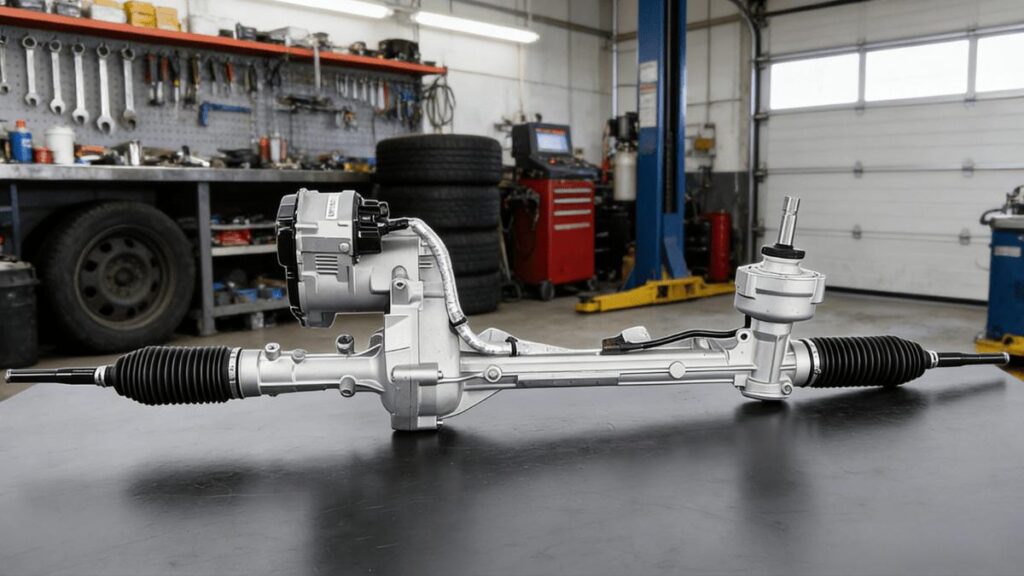
The steering rack is a central component of the vehicle’s steering system. It translates movement from the steering wheel into the motion needed to turn the front wheels.
Over time, steering rack components can wear or develop faults. The specific problems depend on whether the vehicle uses a hydraulic, electric or electro-hydraulic system.
What Are the Signs of a Failing Steering Rack?
- Excessive steering play or an imprecise feeling through the wheel
- Knocking or clunking during steering movement
- Steering that feels uneven, notchy or unusually stiff
- Fluid leakage from a hydraulic steering rack
- Steering assistance warnings on vehicles with electronic systems
- Steering that doesn’t respond or return as expected
However, these symptoms don’t automatically confirm a failed rack. Worn tie rods, suspension joints, tyres and other steering components can produce similar behaviour.
Does a Steering Rack Always Need Replacing?
No. The correct repair depends on the fault and the vehicle’s design. In some cases, an external component such as a tie rod or damaged electrical connection may be responsible. In others, the rack assembly itself may need repair or replacement.
Before recommending an expensive steering rack replacement, a workshop should establish whether the problem is mechanical, hydraulic or electronic and check for other components that could be causing the symptoms.
Following steering rack replacement, wheel alignment is generally required. Certain electronically controlled systems may also need calibration or manufacturer-specified procedures.
Power Steering Pump Problems in European Cars
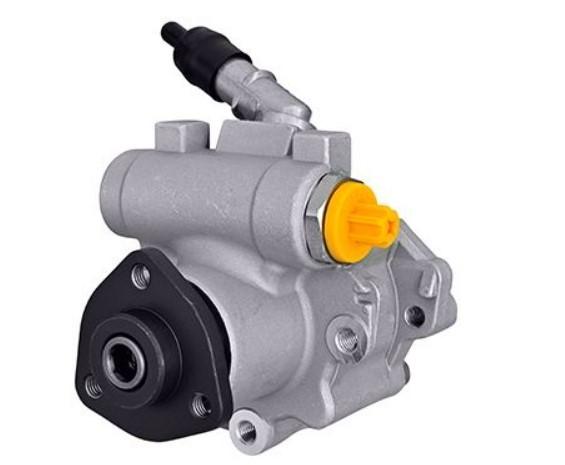
For European vehicles equipped with hydraulic power steering, the pump plays an important role in making the steering wheel easier to turn.
When a pump or its associated hydraulic system develops a fault, steering assistance may become inconsistent or noticeably reduced.
Common Signs of Power Steering Pump Trouble
- Whining or groaning when turning the steering wheel
- Steering becoming heavier, particularly at low speeds
- Visible hydraulic fluid leaks
- Low fluid levels or foaming fluid
- Inconsistent power steering assistance
These symptoms can also result from air entering the system, leaking hoses, fluid contamination or faults elsewhere in the steering circuit.
Can You Drive With a Failing Power Steering Pump?
Driving with reduced steering assistance can make the vehicle more difficult to control, especially during parking and low-speed manoeuvres. Continuing to operate a faulty hydraulic system may also cause further damage.
If the steering suddenly becomes heavy or unpredictable, stop safely and have the vehicle assessed before driving further.
Wheel Alignment vs Steering Repairs: How Do You Know Which You Need?
It’s common to assume that a car pulling to one side simply needs a wheel alignment. Sometimes that’s correct, but alignment cannot repair a worn steering rack, loose suspension joint or faulty power steering system.
Wheel alignment involves measuring and adjusting the wheel angles, where adjustable, to the appropriate specifications. This helps the tyres contact the road correctly and can improve directional stability and tyre wear.
When a Wheel Alignment May Help
- The vehicle pulls to one side because of incorrect wheel angles
- The steering wheel is off-centre while driving straight
- Tyres show wear consistent with incorrect alignment
- Steering or suspension components have been replaced
- The vehicle has struck a pothole or kerb and alignment has changed
When an Alignment Won’t Solve the Problem
- A steering rack has excessive internal wear
- A tie rod or ball joint is loose or damaged
- The power steering system has lost assistance
- A wheel or tyre is damaged
- A suspension component is bent or excessively worn
For this reason, checking steering and suspension condition before alignment is important. Adjusting wheel angles without addressing worn or damaged components may leave the original problem unresolved.
Why Wheel Alignment Matters for European Vehicles
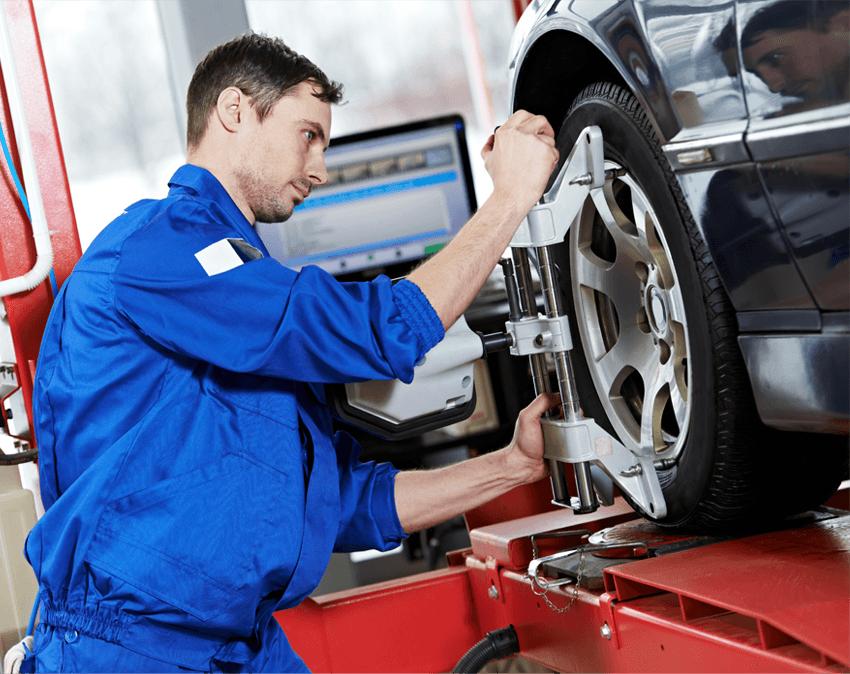
European vehicles are often designed with precise steering and suspension characteristics. Many models combine responsive handling with sophisticated suspension geometry, electronic driver assistance and relatively wide, performance-oriented tyres.
Incorrect wheel alignment can contribute to uneven tyre wear, reduced straight-line stability and a less predictable steering feel.
Some vehicles may also require steering angle sensor checks or calibration after certain repairs or alignment procedures, depending on manufacturer requirements.
If your BMW, Audi, Mercedes-Benz or Volkswagen has developed unusual tyre wear or no longer tracks straight, a steering and suspension inspection can help determine whether an alignment is the appropriate solution.
Common Steering & Handling Concerns by European Car Brand
Different European manufacturers use different steering and suspension designs. Even within the same brand, the correct diagnosis can vary significantly between models and generations.
BMW Steering Repairs & Wheel Alignment
BMW vehicles are known for responsive steering and handling. When a BMW develops steering vibration, knocking or an imprecise feel, possible causes include worn control arm bushes, tie rods, tyres, alignment issues or faults within the steering assistance system.
Modern BMW models may use electronically controlled steering systems that require appropriate diagnostic testing rather than traditional hydraulic pump checks.
Audi Steering Rack & Suspension Issues
Audi vehicles often combine sophisticated suspension systems with precise steering control. If your A4, A6, Q5 or Q7 develops knocking, unusual tyre wear or steering warnings, the cause may involve suspension components, steering linkages, wheel geometry or electronic steering equipment.
Accurate diagnosis is particularly important before replacing an expensive steering rack assembly.
Mercedes-Benz Power Steering & Alignment
Mercedes-Benz steering systems vary across model years and vehicle ranges. Some older models use hydraulic steering assistance, while many newer vehicles rely on electronically controlled systems.
Heavy steering, vibration, uneven tyre wear or steering-related dashboard warnings should be assessed with the correct system in mind. Suspension wear can also affect steering behaviour and ride quality.
Volkswagen Steering & Handling Problems
Volkswagen models such as the Golf, Polo, Passat and Tiguan can experience steering and handling concerns associated with tyres, suspension bushes, tie rods, wheel alignment or electronic steering systems.
When a Volkswagen develops an EPS warning or inconsistent steering assistance, electronic diagnosis may be necessary to distinguish an electrical fault from a mechanical steering problem.
Land Rover & Volvo Steering and Suspension Repairs
Larger European SUVs such as the Land Rover Discovery, Range Rover, Volvo XC60 and Volvo XC90 place substantial demands on their tyres, suspension and steering components.
As these vehicles age, suspension wear, steering linkage problems and alignment changes can affect handling and tyre life. Some models also have advanced suspension or steering systems requiring specialist testing.
How Much Do European Steering Repairs Cost?
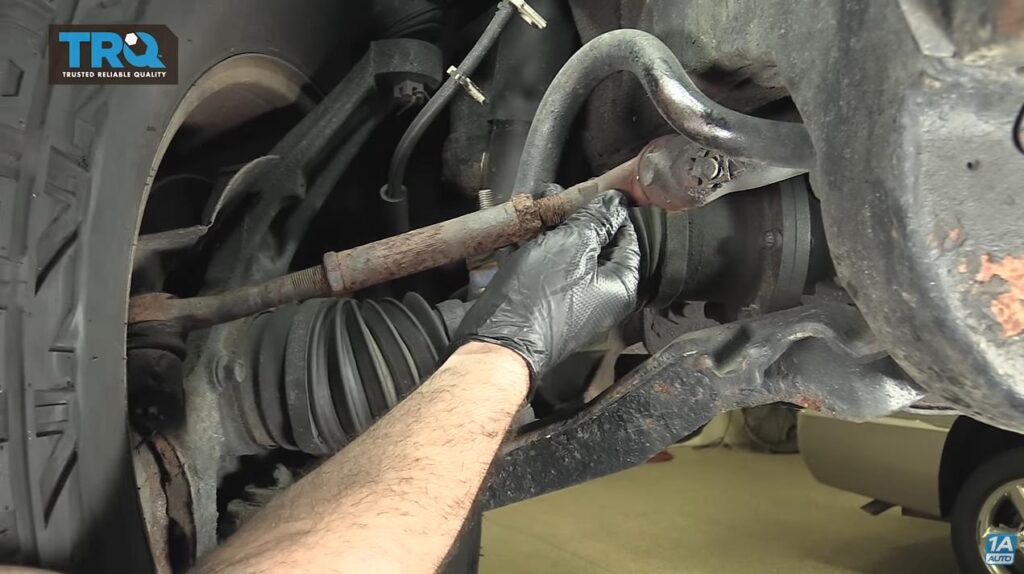
European steering repair costs vary considerably. A straightforward wheel alignment or replacement tie rod is a different job from diagnosing an electronic steering rack fault or replacing a complete steering assembly.
| Repair or Service | Main Cost Factors | What to Expect |
|---|---|---|
| Wheel alignment | Vehicle configuration, adjustability and required checks | Usually a more straightforward service when components are sound |
| Steering and suspension inspection | Diagnostic time, road testing and component accessibility | Helps identify the cause before repairs are authorised |
| Tie rod or steering joint replacement | Parts, labour and subsequent alignment | Generally less involved than complete rack replacement |
| Hydraulic power steering pump repair | Pump design, fluid condition, hoses and replacement parts | Costs vary by system and extent of damage |
| Electric power steering diagnosis | Electronic testing, fault tracing and possible calibration | May require specialised equipment and additional testing time |
| Steering rack replacement | Vehicle model, rack type, parts, labour and calibration | Potentially a significant repair expense |
Rather than relying on a generic steering rack repair price, request a diagnosis and itemised quote for your particular vehicle. A workshop should explain what has failed, what needs replacing and whether alignment or calibration will be required afterwards.
How a European Steering Problem Should Be Diagnosed
Good steering diagnosis starts by understanding the symptoms and checking the vehicle as a complete system, rather than immediately replacing the most expensive component.
- Discuss the symptoms: When does the problem occur? At parking speeds, while braking, on rough roads or during highway driving?
- Check tyres and wheels: Inspect pressures, tyre condition, wheel damage and unusual wear.
- Inspect steering and suspension: Check tie rods, joints, bushes, steering rack mounting and other relevant components.
- Test steering assistance: Inspect hydraulic components where fitted or carry out electronic diagnosis on EPS systems.
- Assess alignment: Measure wheel geometry where appropriate, once mechanical faults have been addressed.
- Confirm the repair: Complete any required calibration and verify steering operation following the work.
This process helps distinguish steering rack problems from suspension wear, alignment faults and other issues that can produce similar symptoms.
Can You Prevent Expensive Steering Repairs?
Not every steering fault can be prevented, but routine maintenance and early inspections can reduce the likelihood of minor issues developing into more extensive repairs.
- Have steering and suspension components inspected during routine servicing.
- Investigate knocking noises, steering vibration and changes in steering effort.
- Check tyre pressures and look for unusual tyre wear.
- Arrange an alignment assessment after significant pothole or kerb impacts.
- Repair worn or damaged steering components before carrying out alignment adjustments.
- Use the correct hydraulic steering fluid on vehicles that require it.
- Have steering warning messages diagnosed rather than repeatedly clearing fault codes.
For European vehicles with complex steering and suspension systems, preventative inspections are especially valuable as the car accumulates kilometres.
Common Mistakes That Can Make Steering Problems Worse
- Assuming every pull needs alignment: Tyres, brakes and worn suspension components can also cause pulling.
- Ignoring steering warning lights: Electronic steering faults can affect steering assistance and require proper diagnosis.
- Replacing a steering rack without testing: Similar symptoms may come from external components.
- Continuing to drive with severe steering play: This can create a serious safety risk.
- Overlooking damaged tyres: Tyre faults can imitate some steering and alignment problems.
- Skipping post-repair checks: Steering work may require alignment and, on certain vehicles, electronic calibration.
Frequently Asked Questions About European Steering Repairs
What are the symptoms of a bad steering rack?
Possible symptoms include excessive steering play, knocking, uneven steering effort, stiffness or fluid leaks on hydraulic systems. Because other components can cause similar problems, professional inspection is needed to confirm a steering rack fault.
How do I know if my power steering pump is failing?
On vehicles with hydraulic power steering, a failing pump may cause whining noises, heavy steering or inconsistent assistance. Low fluid levels and leaks can produce similar symptoms. Many newer European vehicles use electric steering and don’t have a conventional hydraulic pump.
Can wheel alignment fix a steering problem?
Wheel alignment can correct certain wheel-angle issues, but it cannot repair a faulty steering rack, worn joint, damaged suspension component or failed power steering system.
Why is my BMW or Audi pulling to one side?
Possible causes include incorrect tyre pressures, uneven tyre wear, wheel alignment, brake drag or suspension problems. A steering and suspension inspection can help identify the actual cause.
Is it safe to drive with a steering rack problem?
It depends on the fault, but steering rack problems can affect vehicle control. If steering is loose, binding, unpredictable or suddenly much heavier than normal, stop safely and arrange professional assistance.
Do I need wheel alignment after replacing a steering rack?
Yes, wheel alignment is generally necessary after steering rack replacement. Depending on the vehicle, steering angle sensor calibration or other manufacturer-specified procedures may also be required.
Can an independent European car specialist repair electric power steering?
A suitably equipped independent workshop can diagnose and repair many electric power steering faults. However, certain procedures may require manufacturer-specific tools, software or specialist repair services.
European Steering Repairs, Suspension & Wheel Alignment | Windsor & Grange, Brisbane
If your European car is pulling to one side, making unusual steering noises or no longer handling the way it should, getting the problem checked early can help prevent further wear and unnecessary repair costs.
At Memmotts Automotive, we provide European car servicing, steering and suspension inspections, diagnostics and repairs for BMW, Audi, Mercedes-Benz, Volkswagen, Land Rover, Volvo and other European makes.
Why Choose Memmotts Automotive?
Our experienced technicians use professional diagnostic equipment and quality replacement parts to help identify steering and handling problems accurately. Whether your vehicle needs a wheel alignment assessment, suspension repairs or investigation of a steering fault, we’ll explain the findings and recommended work clearly.
With workshops in Windsor and Grange, we assist European vehicle owners across Brisbane’s northside, including Lutwyche, Wilston, Stafford, Albion, Newmarket, Gordon Park and surrounding suburbs.
Need a European steering or suspension inspection in Brisbane? Contact Memmotts Automotive to discuss your vehicle’s symptoms and arrange an assessment at our Windsor or Grange workshop.
Book online now, in under a minute!
Prefer to book by phone? Windsor (07) 3357 4955 · Grange (07) 3172 5490 — Mon–Fri 8:00am–5:00pm.